Underwater Maintenance & Inspection

Underwater Maintenance & Inspection

National Marine Services
Yemen
Underwater Maintenance & Inspection

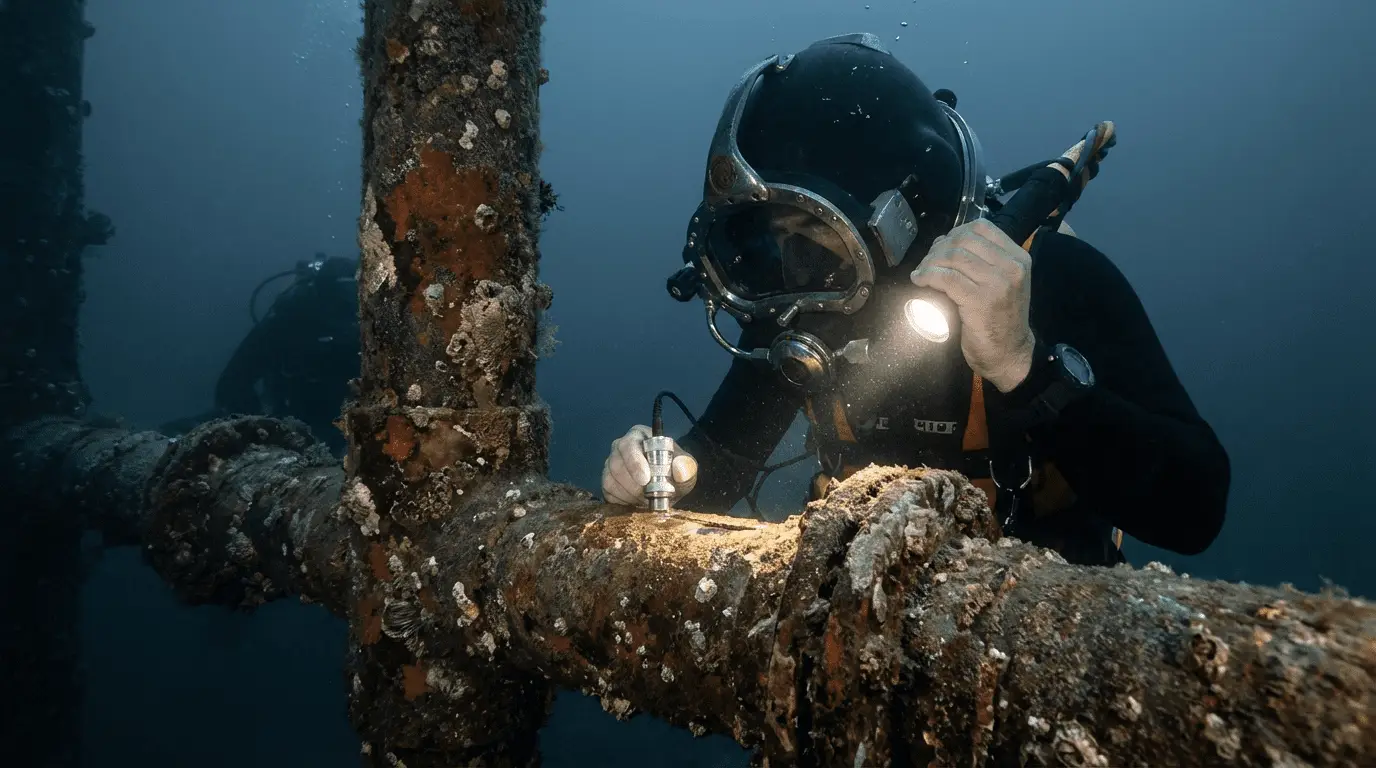
National Marine Services performs in-water surveys and offers inspection services, including underwater inspection in lieu of dry docking (UWILD), on a majority of shipping vessels entering Yemen waters. Inspections will often require National Marine Services to carry out underwater CCTV video/photography services and Non Destructive Testing.

National Marine Services is the only commercial diving Organisation in Yemen offering these services and holds all major class society approvals in order to carry out these services

For maintenance National Marine Services provides In-water hull Cleaning, propeller polishing to Rupert Scale A, cleaning of sea suction grates, ship side valve openings and transducers/transponders

Shipping Maintenance & Repairs Services Include:

In-water Surveys and Inspection

UWILD
CCTV Video Inspection
Still Photography

Corrosion Inspection and Protection

Non Destructive Testing (NDT)
Denso Sea shield
Underwater Epoxy

Maintenance

In-water Hull Cleaning
Cavitation Cleaning
Propeller Polishing
Cleaning Sea Suction Grates
Cleaning transducers/transponders

Subsea Welding

MMA Wet Welding
Anode Replacement
Hull Repairs
Sea Walls
Subsea Cutting& Burning

Hydraulic Tools

Cutting
Drilling
Grinding
Chainsaw

Underwater Welding & Cutting

National Marine Services is able to offer a complete range of underwater welding and cutting procedures.

While most diving contractors will offer underwater welding and cutting services, very few will be able to provide certifiable welds or the precision cutting that is sometimes required. At National Marine Services our policy of employing skilled divers means that only qualified metal fabricators / welders are used to carry out significant underwater welding and cutting projects.

Cavitation Cleaning

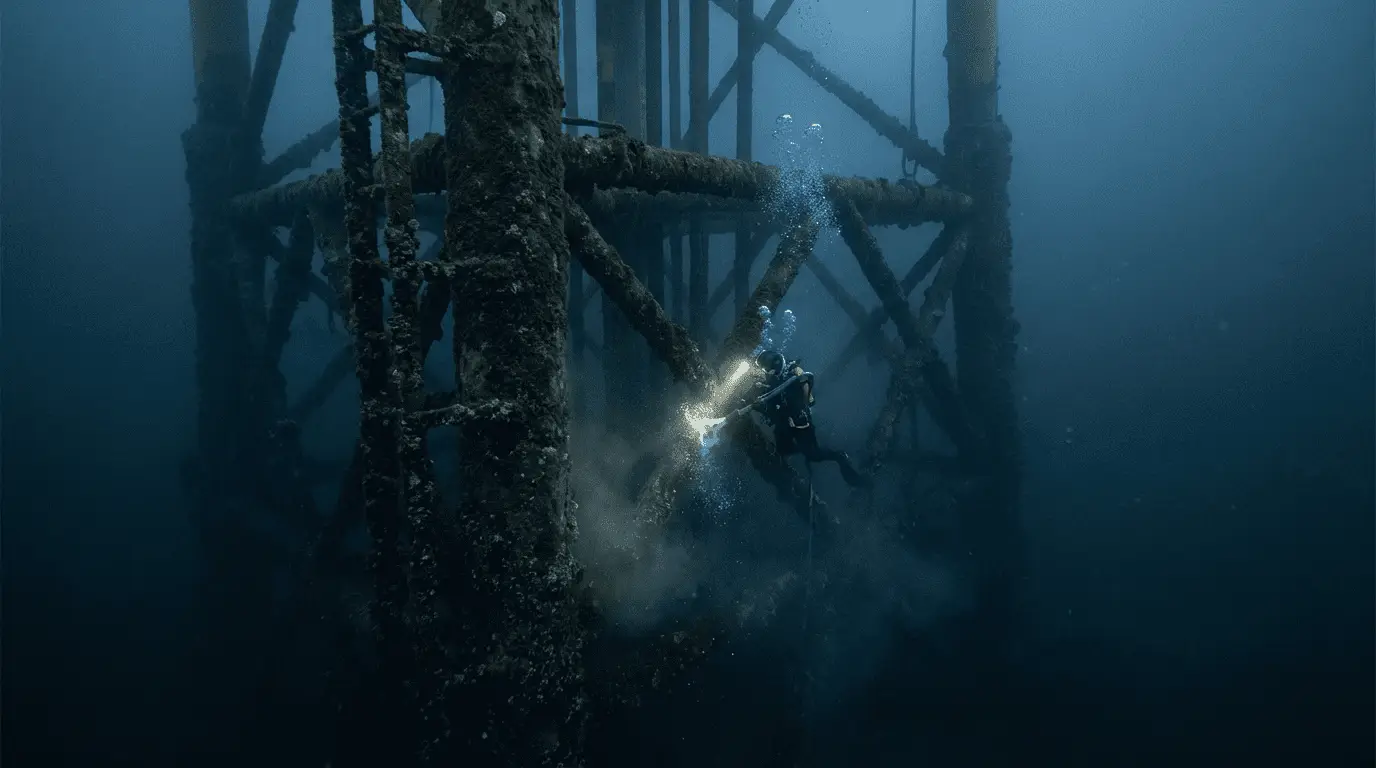
Our new Cavitation cleaning service is a new and innovative method to remove marine fouling’s from all different types of surfaces from unwanted marine growth on ship hulls, concrete structures, steel structures or at high pressures it can remove coatings such as paint, varnish or anti-fouling coatings.

Another advantage of using the cavitation-cleaning technology is that it leaves a smooth surface after cleaning. Cleaning by the means of mechanical devices or pressure blasting leaves a textured surface, in which micro-organisms flourish. This accelerated regrowth of marine organisms will actually create the need for more frequent cleaning. It is a cost effective way to clean any type of marine fouling due to the amount of time saved from conventional cleaning methods.

Hull Cleaning & Propeller Polishing

All over the world marine growth is a problem for any vessel. National Marine Services has the latest equipment to clean most types of marine growth being soft or hard growth on vessels.
Cleaning is necessary for many of our standard operations, and we have a wide range of polishing and cleaning tools.
We offer cleaning by the use of hydraulically driven polishing tools and new technology Cavitation Cleaning

Vessel areas that we offer cleaning and polished are:

• Pontoons/hulls
• Sea chest grinds and Seachest interiors
• Cooling Boxes
• Transducers/transponders/HIPAP entrances
• Ship side valve openings
• Rudders and propellers
• Other underwater structures

National Marine Services

Submersible Hydrainer Pump

Our submersible hydrainer pump is hydraulically driven and the suction head is specifically designed for the application by divers. It is designed for the removal of sedimentation such as sand, silt, mud, shells and many more type of materials..
National Marine Services

Protective Coating

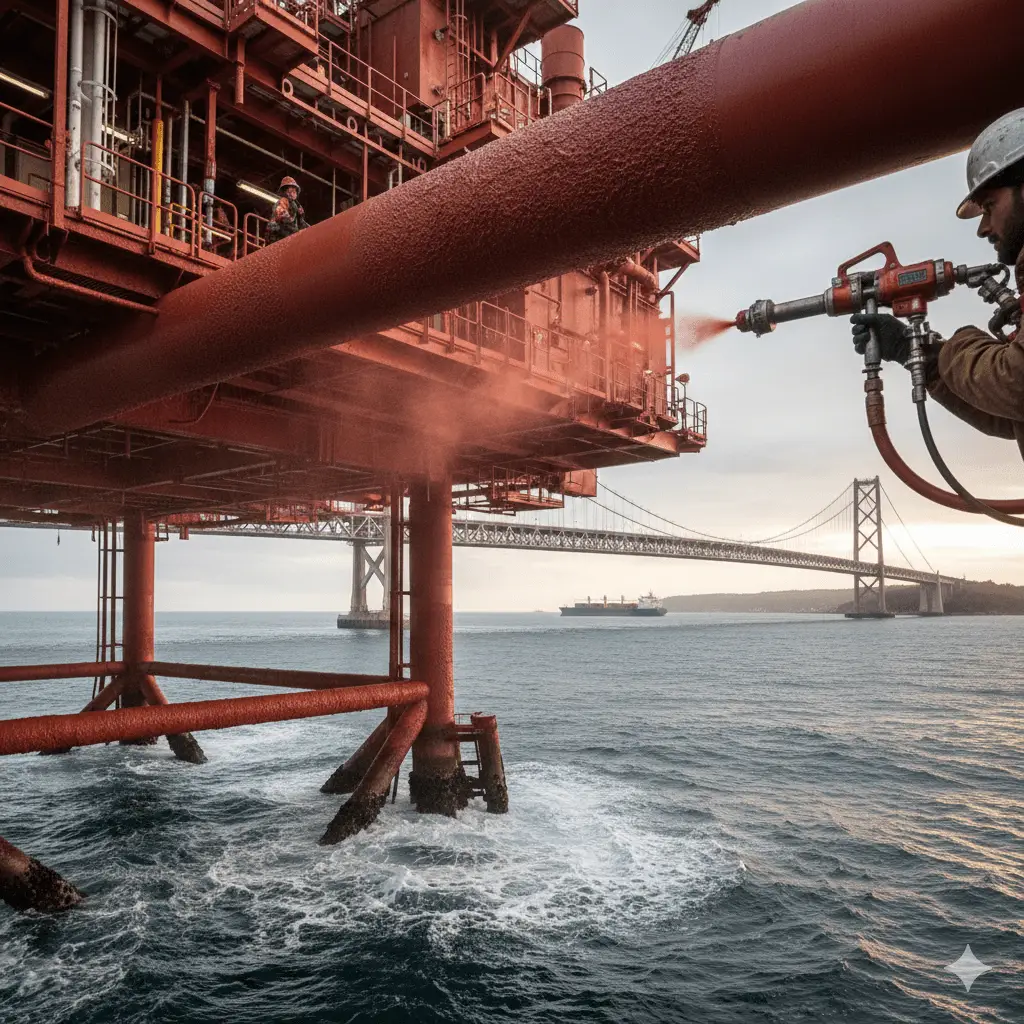
An industrial coating is a paint or coating defined by its protective, rather than its aesthetic properties, although it can provide both. The most common use of industrial coatings is for corrosion control of steel structures such as offshore platforms, bridges and underground pipelines.
National Marine Services

Crack Monitoring

Most buildings crack at some time during their service life. Usually the cracks are of little consequence but they may be the first indication of a serious defect. Monitoring the changes in crack width across a crack helps determine the cause of cracking and decide what remedial work should be specified.